Introduction
Plumbing systems use different materials based on the type of building and the budget. Copper plumbing tubes and PVC pipes are two common options. Both are widely used, but act differently over time. The choice affects maintenance, repairs, costs and replacement cycles later. Some materials last longer but cost more. Others are affordable but may need earlier replacement.
This comparison explains how each material performs in real-life use. It is meant to help you decide which option is better for long-term use, depending on where it will be used, the water quality, and the needs of the plumbing system.
What is a Copper Plumbing Tube?
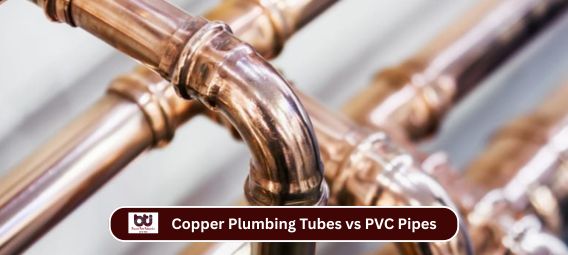
Copper plumbing tubes are made from refined copper and are used in both homes and commercial buildings for water supply and, in some cases, gas lines.
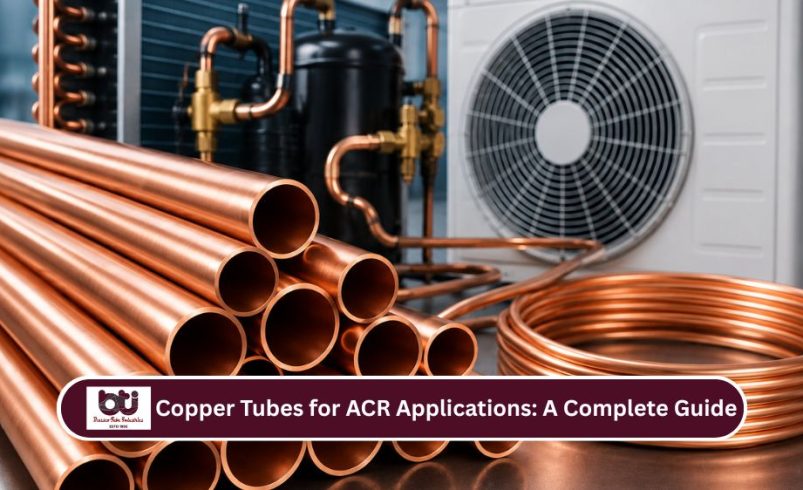
These tubes are available in various copper plumbing tube sizes. The standard options differ in diameter and wall thickness, based on pressure needs and specific uses. Thicker walls are chosen where greater strength is required. There is also a flexible copper plumbing pipe. It bends easily, fits well in tight spaces, and can reduce the number of joints and fittings needed.
Copper naturally resists corrosion. In hot water systems, it transfers heat well. When installed correctly, copper plumbing usually works reliably for many years with few problems.
What Are PVC Pipes?
PVC pipes are made from Polyvinyl Chloride, a type of plastic. They are commonly used in plumbing, drainage, and irrigation systems. uPVC and CPVC are different types of pipe. PVC is used for cold water and drainage. CPVC can handle higher temperatures, so it is used for hot water lines in some systems.
PVC pipes are lightweight, making handling and transport simple. Installation is also easier since it uses solvent cement instead of welding or soldering. They are widely used where cost matters and where temperature and pressure are moderate.
Key Differences Between Copper Plumbing Tubes and PVC Pipes
Copper and PVC differ in several practical ways. Here’s a direct comparison across the factors that matter most when selecting a material for your plumbing system.
| Factor | Copper Plumbing Tube | PVC Pipe |
| Durability & Lifespan | 50+ years with proper installation | Shorter lifespan; can become brittle under stress over time |
| Corrosion & Chemical Resistance | Corrosion-resistant in normal water; may react with highly acidic water | Strong resistance to most chemicals; does not corrode |
| Temperature Resistance | Handles high temperatures without deformation | Can soften or lose shape at higher temperatures, depending on grade |
| Strength & Pressure Handling | Strong; suitable for high-pressure systems | Best for low to medium-pressure lines |
| Installation & Flexibility | Requires skilled labour (soldering); flexible copper tube reduces joints | Simpler to install; no specialist skills needed |
| Cost | Higher initial cost; longer service life offsets this over time | Lower upfront cost; may need earlier replacement or repair |
Advantages of Copper Plumbing Tubes for Long-Term Use
Exceptional durability and lifespan
Copper pipes last a long time. They handle pressure and temperature changes without cracking, so repairs and replacements are less frequent.
Safe for drinking water
Copper is non-toxic and does not release harmful substances into water. It also resists bacterial growth inside the pipe under normal operating conditions.
Fire-resistant material
Copper does not burn or release fumes when exposed to fire. This makes it suitable for buildings where fire safety is a concern.
Better performance in extreme temperatures
Copper maintains its strength in both high and low temperatures. It works well in hot water systems and does not become brittle in cold conditions.
Adds value to property
Using copper plumbing signals quality construction. It is often chosen for long-term projects where durability and reliability are important.
Advantages of PVC Pipes for Long-Term Use
This section looks at the key benefits of using PVC pipes over the long term, mainly around cost and basic performance in common applications.
Cost-effective solution for budget projects
PVC pipes are a better choice for tighter budgets. They cost less and work well for large projects that need strict cost control.
Lightweight and easy to transport
PVC pipes are light, so handling on-site is easier. This reduces labour effort and makes installation faster in most cases.
Resistant to scaling and chemical damage
PVC does not easily collect scale and can resist many chemicals. This keeps water flowing smoothly and prevents clogging over time.
Ideal for drainage and cold water systems
PVC works well in drainage lines and cold water supply. It performs reliably where temperature and pressure remain within limits.
Limitations of Both Materials
Copper Plumbing Tube Limitations
Copper costs more. Not just material, installation too. Skilled work adds up. It can get stolen in some areas because of its scrap value. In acidic or alkaline water, internal corrosion can still happen over time.
PVC Pipe Limitations
PVC cannot handle high temperatures for long. It may soften or deform. Direct sunlight over time can make it brittle. Disposal is also a concern since it does not break down naturally.
Best Applications for Each Material
Where Copper Plumbing Tubes Perform Best
Copper plumbing tubes are used for both hot and cold water lines because they provide reliable performance. They are also widely used in HVAC and refrigeration systems thanks to their excellent heat transfer and ability to handle high pressure. High-rise buildings and some gas lines use copper for its strength, durability, and leak resistance.
Where PVC Pipes Are Most Suitable
PVC pipes are mostly used for drainage and waste lines because they resist corrosion. They are also common in irrigation and outdoor plumbing since they are light and easy to handle. In homes, PVC is often used for low‑pressure water lines where the temperature is controlled and quick, simple installation is important.
Environmental and Health Considerations
Copper can be recycled without much loss in quality. It can be used again in many ways. In water systems, it is generally safe and does not release harmful substances into drinking water.
PVC is less environmentally friendly. It does not break down naturally. In some cases, there are concerns about chemical leaching, especially if the pipe quality is low or conditions are not controlled.
Factors to Consider When Choosing Between Copper and PVC
Budget is usually the first factor. Copper costs more, so it may not fit all projects. The type of system also matters. Residential and commercial setups may have different requirements. Temperature and pressure levels should be checked before selecting the material.
Local building codes sometimes restrict material usage. Availability of specific copper plumbing tube sizes and compatibility with existing systems also needs to be checked.
Expert Recommendation: Which Is Better for Long-Term Use?
There is no single answer for all cases. It depends on how the system will be used. Copper is a better option where long-term reliability is required. It performs well under pressure and temperature variation. It also has a longer service life.
PVC is practical where cost is a concern and conditions are moderate. It works well in drainage and low-pressure systems. In many projects, both materials are used together. Copper for supply lines. PVC for drainage. This keeps costs balanced while maintaining performance where it matters.
Conclusion
Brassco tubes supplies both copper and piping materials suited for different applications. Copper plumbing tubes offer longer life, better strength, and reliable performance under demanding conditions. PVC pipes provide a cost-effective option for less critical systems.
The final choice depends on application, budget, and long-term expectations. For systems where durability, safety, and consistent performance matter, copper plumbing tube is usually the better option. If you are planning a project, review system requirements first. Then select the material based on actual use, not just initial cost.